

Money is everywhere except where you need it
Cannes, baby

Every year in May, I watch the Cannes Film Festival coverage from a distance. The ritzy, iconic red carpet. Otherworldly people hydrated by salt air, gallivanting in ball gowns lining the Croisette. At 6 am stumbling home from somewhere, at 1 am headed somewhere else. Yachts bobbing in water so tranquil it seems to have disassociated from the spectacle above it, owned by establishment A-listers and tech bros who paid their way into exec producer credits on dude-saves-the-world blockbusters that sit squarely at 67% on Rotten Tomatoes. Money is everywhere here, except where you need it – in the production budget of your indie film – a problem that no amount of yacht networking has ever solved. Eventually the tents will fold, the posters stamped with “Festival de Cannes” crumpled, and the trash dumped into the Riviera as though none of this ever happened. As a self-proclaimed cinephile (who screams “DOES YOUR FAVORITE FILM PASS THE BECHDEL TEST??” to every man who presents himself as one), I decided I had to go experience it at least once for myself.
There are different types of Cannes accreditation tailored to your profession and purpose – some for industry members, others for press. If you’re between 18 and 28, you’re eligible for a “3 Days in Cannes” accreditation, which gets you into Competition screenings, Un Certain Regard, and the Palais des Festivals (basically, enough to feel legitimate and not enough to feel valuable. The correct amount for your first rodeo). I rallied people to come, many at the precipice of aging out of the category – but the deadline came and went, and I was the only one who applied (it took a month to hear back, during which I developed an Obsessive-Compulsive Disorder for refreshing my email).
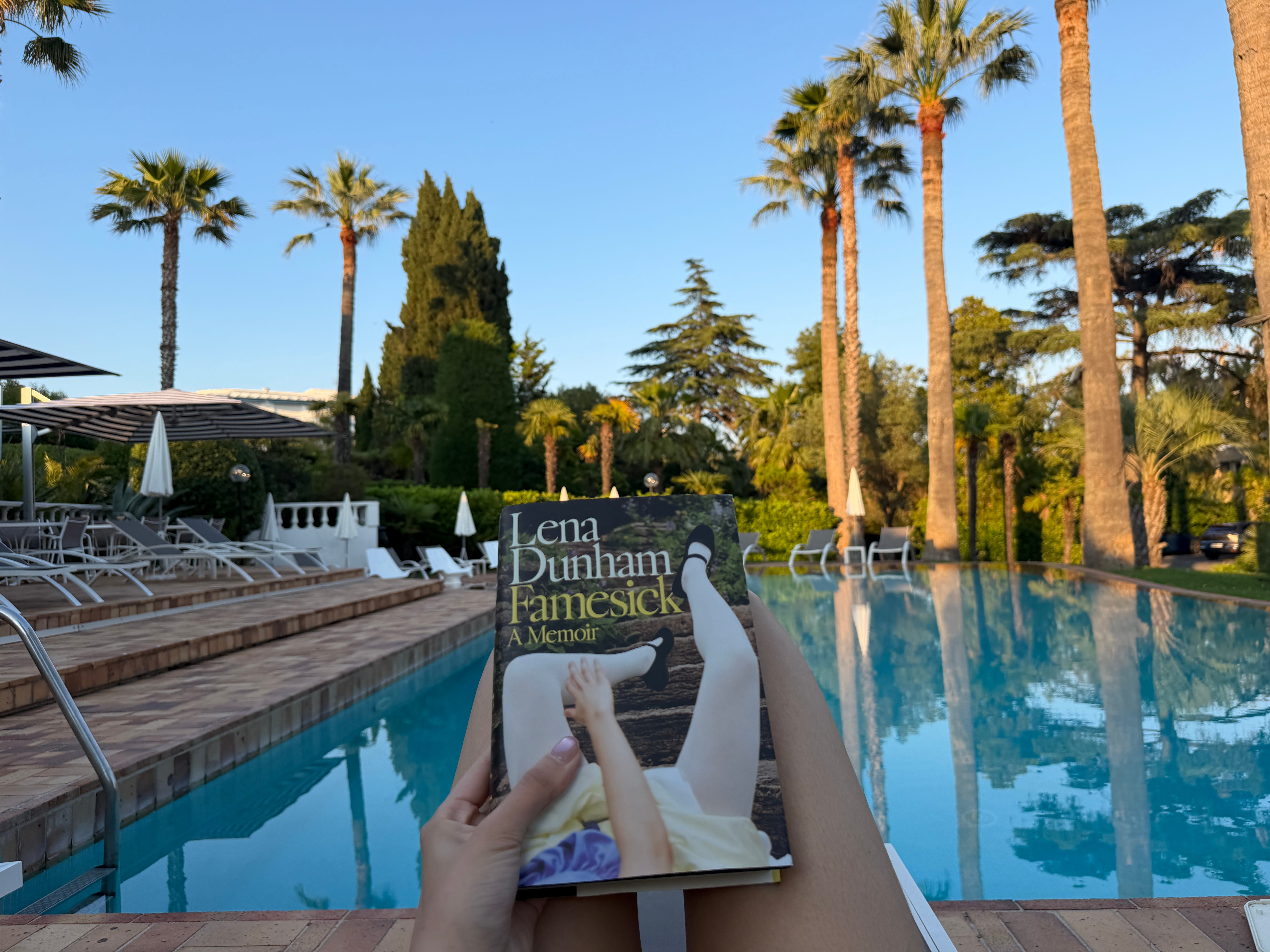
This was my first big solo trip. I won’t pretend there weren’t low moments, like the recurring thought that this would be more fun with a friend, partner, or anyone who could verify that what I was witnessing was totally cool and real. But then I remembered: I had complete agency for the first time in recent memory. I could eat gummy worms for breakfast. Queue for the screenings I wanted without being outvoted or parrying sighs at the wait time. Snag a table for one at a posh seaside restaurant and read Lena Dunham’s memoir until the daylight changed. (Besides, no man I knew was surviving three straight days of subtitled arthouse films. Going alone was an act of mercy.)
There, I found myself less swept up in the glitz and more in the sheer commitment to the art itself. The Cannes WhatsApp group buzzed daily on who’d procured the hottest screening tickets, who didn’t, and what to do if you were the latter. Friendships forged in the McDonald’s trenches across from Les Arcades, over 9-piece nuggets housed (That’s right, 9-piece, NOT 10. How dainty of the French). The free shuttle between Cineum Cannes and La Croisette, a 30-minute ride spanning the festival grounds, was a socratic symposium. I met people working in overlooked corners of the industry – translators, accessibility captioners, film theorists and indie theater consultants. Found myself in a circle with women from China, Japan and Australia sharing our Letterboxd fives while the shimmery coastline slid past the window.
I juggled up to three screenings a day. For the record, an 8:30 AM screening on the same day as a 9:00 PM screening is, medically, a recipe for disaster. I did it anyway – heeled up for the Grand Lumière, sneakers slung into a tote for the inevitable moment my feet ceased to cooperate. I slept about five hours each night, lying awake in anticipation like a tot before a field trip. Worth it!!! Obviously.
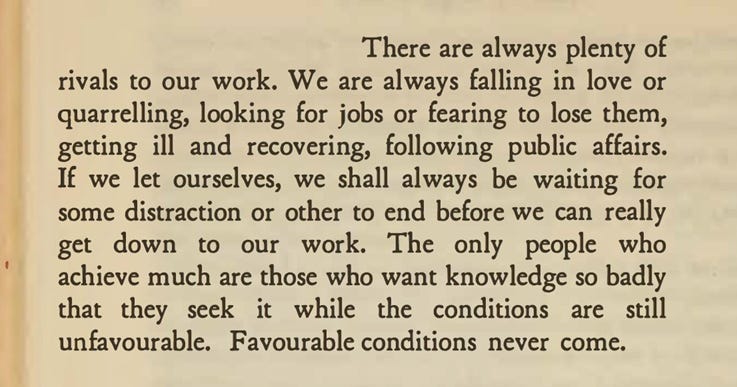
Now, a week later, I’m nursing a cough and bruised feet, natural byproducts of doing something you love too hard. I love film in that it’s inconvenient – watching it, discussing it, making it. It pulls you out of your comfort zone and keeps you there. There’s something about hearing those who’ve paid their dues describe what it cost them, be it decades across a sprawling body of work, or everything they had poured into a single film. Life is long, and none of us are exempt from its afflictions – so it’s remarkable that people make things even so. It is hard to make anything, and even harder to make anything great. Great, in the midst of a long, afflicting life, gets me every time. The applause at Cannes, a room cresting together, always feels like an acknowledgment of that fact.
I saw seven films in total. Here’s a rundown, ranked from most to least favorite, taste being subjective and all. Rather than synopses (because hey, Wikipedia’s free), I’ll describe each in three snacky words, the game sleep-deprived celebrity costars play in GQ YouTube interviews. I personally don’t consider these spoilers, but scroll away if you must.
Coward (Lukas Dhont) - ugly cried, thanks
Elephants in the Fog (Abinash Bikram Shah) - best closing sequence!
Minotaur (Andrey Zyvagintsev) - slow, somber, STUNNING
Hope (Na Hong-jin) - kinda half finished?
Mariage au gout d’orange (Christophe Honoré) - everyone needs therapy
The Man I Love (Ira Sachs) - fifth date movie
Notre Salut (Emmanuel Marre) - theater fell asleep (oops!)


Since coming back from Cannes, I’ve been thinking about the future of festivals and filmmaking, which is evolving faster than I can coherently articulate, but here’s my attempt.
Influencers!
The Marché du Film, the global distribution engine behind everything glamorous at Cannes, attracts over 16,000 industry folks to buy, sell and finance films. This year, the Marché launched its first ever Creator Economy Summit, officially fusing cinema and content into a two-headed hydra, and openly signaling what has been true for a while: the Internet – algorithms, shrinking attention spans, short-form content – is not a disruption to film so much as the water it now swims in. Influencers are no longer photobombing the red carpet and getting escorted away; they are heralded as the most direct line between a film and who it needs to reach.
The case study everyone keeps pointing to is Iron Lung – a $3M horror adaptation directed by Mark Fischbach, known to his 38 million YouTube subscribers as Markiplier. With no studio marketing budget, it generated seven times its cost in opening weekend revenue. Turns out, 38 million subscribers is a measurable, mobilizable audience that traditional infrastructure cannot manufacture from scratch. When you already own the ecosystem – trust, community – studio relationships become a choice rather than a prerequisite. The pattern is repeating – Amelia Dimoldenberg is developing a romantic comedy for Amazon MGM’s Orion Pictures. Kane Parsons is adapting his YouTube webseries “Backrooms” into an A24 feature. For younger audiences, social media is the conduit for discovering, experiencing and interpreting films. There’s a Cannes that lives in your pocket, and it’s not going anywhere.
AI!
The second, more existential conversation happening at Cannes was AI. Every room I walked into, it was there, waiting: What does it mean for our craft, our futures? Everything we thought we knew!?
The week was not short on developments. Amazon MGM Studios and AWS announced the GenAI Creators’ Fund, an initiative giving creators, filmmakers and startups access to AI tools and funding to produce cinematic entertainment. One of the greenlit projects was Punky Duck, from Jorge R. Gutierrez, who received immediate backlash and scrapped the project before the press release had cooled. The announcement-to-apology pipeline is getting embarrassingly short these days.
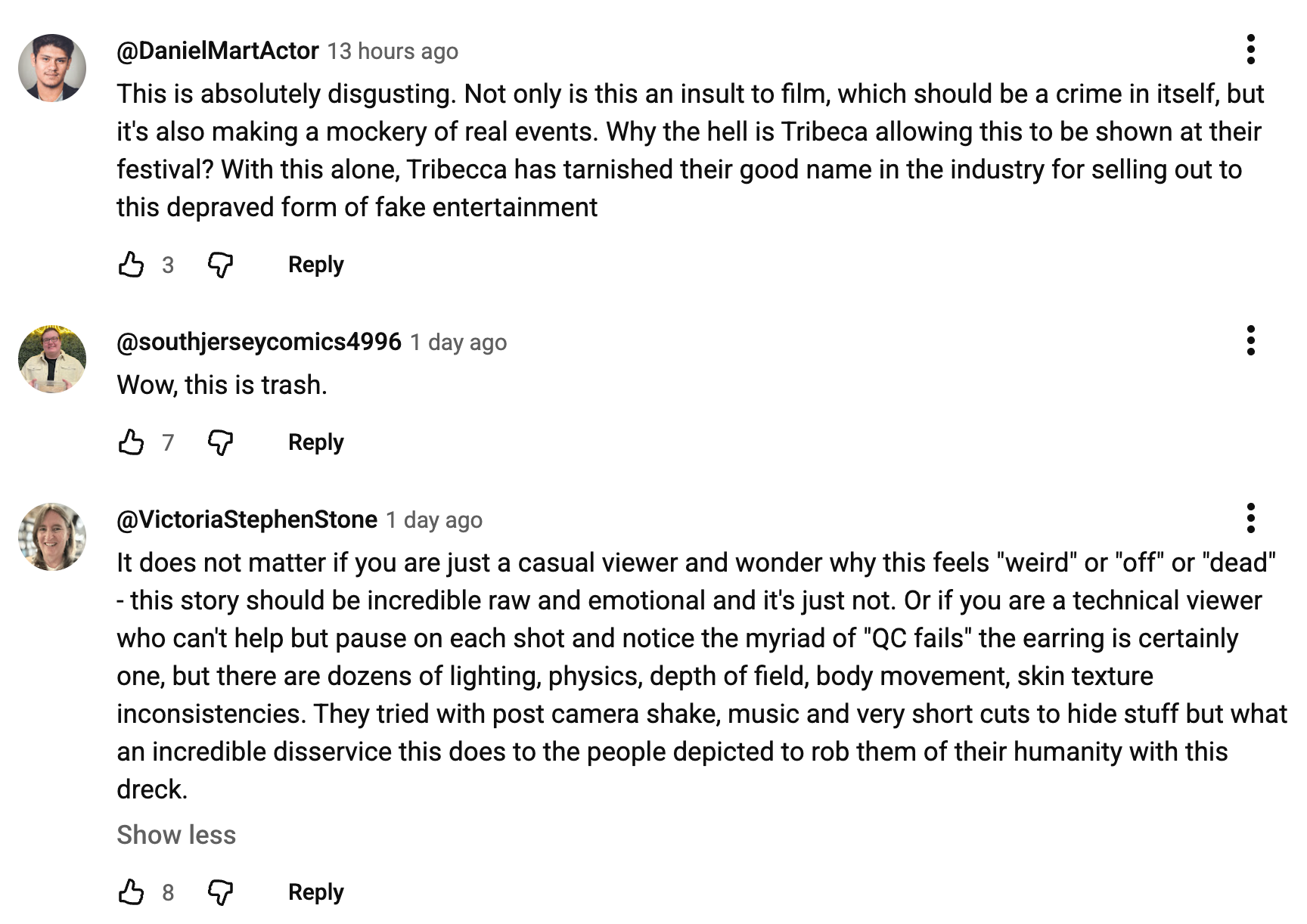
And then there’s Dreams of Violets, the first AI-generated film to premiere at a festival – Tribeca on June 10 – made by first-time filmmaker and tech entrepreneur brothers Ash and Pooya Koosha on a budget of $2,000. The ROI, if it lands, will be hard to argue with. The trailer comments, however, beg to differ:
Since festivals with rich heritage are accommodating the very systems keeping their attendees up at night, it’s not lost on anyone that their stakeholders and the tech evangelists colonizing film may be one and the same. The split is visible: those loud and unshy about their AI adoption, and those treating it as a lamentation. For now, abstaining – doing it by hand and accumulated devotion – has a cachet. The way a painting is worth more than the print, or a handwritten letter and throwing rocks at a window means more than a Hinge like and “You up” text ever could.
On people reaching for AI as a shortcut to their creative thinking and output, Ronny Chieng put it best in his Harvard Class Day speech:
“What they’re missing is this: the creating is the fun part.”
The journey, however long, afflicting, and riddled with friction, is the point. Yes, AI has speed and processing power, but it doesn’t have the soured relationships, the rejection inbox, or the quintessentially human hunger to make something simply because it feels like it needs to exist. And as the world holds its breath to see where this all goes, we cannot afford to lose that.
Ahh I hope to go next year!! And excited to see which ones u saw make it to the Oscar’s :)
I didn’t know about the 3 day pass, that is awesome!! Sounds like a dream solo trip